Few crops in Kashmir carry as much history, cultural significance and economic value as saffron. Locally known as kong, saffron is far more than a spice used to add colour and fragrance to food. It is woven into Kashmir’s cuisine, traditions, traditional medicine, rural economy and landscape. The delicate red stigmas harvested from the purple Crocus sativus flower have for centuries been associated with luxury, purity and refinement. Today, Kashmir saffron is acquiring a new identity. Alongside its traditional uses, scientific research is examining its bioactive compounds and potential health benefits. Its Geographical Indication (GI) status, improved cultivation practices, scientific processing and expanding markets have further strengthened its importance.
The Red Gold of Kashmir
Saffron is among the world's most expensive spices because its production is extremely labour-intensive. Each saffron flower produces only three red stigmas, which must be carefully separated by hand and dried to produce the spice.The principal compounds responsible for saffron's distinctive properties include crocin, which contributes to its colour; picrocrocin, responsible largely for its bitter taste; and safranal, which gives saffron its characteristic aroma. Researchers have identified more than 150 chemical compounds in saffron, many of which are being studied for their biological properties. In Kashmir, saffron cultivation is particularly associated with the elevated, well-drained karewas of Pampore in Pulwama district. It is also cultivated in parts of Budgam, Srinagar and Kishtwar. Pampore, popularly known as the “Saffron Town of Kashmir”, remains at the heart of the Valley's saffron economy. The crop has specific environmental requirements. It performs best in well-drained soils and under suitable climatic conditions. The corms remain underground for much of the year before producing their characteristic purple flowers in autumn. The flowering season is brief, making harvesting a highly time-sensitive operation.
Why Kashmiri Saffron Is Special
Kashmiri saffron is valued for its distinctive aroma, strong colouring capacity and characteristic stigmas. Its geographical origin gives it a particular identity in the international spice market. In 2020, Kashmir saffron received Geographical Indication recognition. The GI status provides legal recognition to its geographical identity and can help distinguish genuine Kashmir saffron from products that may be marketed under misleading descriptions.For farmers, however, the real value of GI certification will ultimately depend on effective branding, traceability, quality control and better market access. Saffron has a special place in Kashmiri cuisine. It is used in Wazwan, rice preparations, pulao, desserts, milk-based dishes and beverages.Its most familiar use for many Kashmiris is perhaps kahwa. A few strands of saffron can impart a distinctive colour, fragrance and flavour to the traditional beverage.Saffron is also used internationally in rice dishes, seafood preparations, confectionery, desserts and beverages. Its culinary importance comes from its ability to provide three qualities simultaneously: colour, aroma and flavour.Traditionally, saffron strands are often lightly crushed and infused in warm water or milk before being added to food. This helps release its colour and aromatic compounds.
Saffron and Health: What Does Science Actually Say?
Saffron has been used in traditional medicine for centuries, but modern research has begun examining whether some of these traditional claims have scientific support. It is important to distinguish between traditional use, laboratory findings and benefits demonstrated in human clinical trials. Not every traditional claim about saffron has been scientifically established.Among the most promising areas of human research is mood and depression. Several clinical trials and systematic reviews have reported that standardized saffron preparations may reduce symptoms of mild-to-moderate depression. Some trials have found effects comparable to conventional antidepressant medicines, although saffron should not be considered a replacement for prescribed treatment.Research has also suggested that saffron may help reduce anxiety and improve mood. Its compounds, particularly crocin and safranal, are being studied for their effects on pathways involved in mood regulation.Another important area is eye health. Clinical research, particularly involving age-related macular degeneration (AMD), has found evidence that saffron supplementation may improve certain measures of retinal function. These findings are promising, although further research is necessary before saffron can be considered a standard treatment for eye diseases.Studies have also investigated saffron's possible role in memory and cognitive function. Some clinical trials involving older adults and people with cognitive impairment have reported improvements in cognitive measures. Research into Alzheimer's disease is ongoing, but the evidence is not yet sufficient to describe saffron as a proven treatment for dementia.There is also evidence of modest metabolic effects. Clinical studies and meta-analyses suggest that saffron supplementation may have favourable effects on blood glucose, cholesterol and some measures of blood pressure. These effects appear relatively small and should not be interpreted as a substitute for diabetes, cholesterol or blood-pressure medication.Saffron has additionally been studied for sexual health. Some clinical trials have reported improvements in sexual function, including in people experiencing sexual dysfunction associated with antidepressant use.Research has also examined whether saffron may help with appetite and snacking behaviour. Some studies suggest that saffron extracts may reduce snacking frequency and support satiety, although the evidence remains limited and saffron should not be regarded as a weight-loss treatment.
One common thread connects many of these studies: saffron contains compounds with significant antioxidant activity. Crocin, crocetin, safranal and other compounds can act against oxidative stress in laboratory and experimental settings. However, laboratory antioxidant activity alone does not prove that consuming saffron will prevent a particular disease. The scientific picture, therefore, is encouraging but should remain grounded in evidence. Saffron appears to have genuine biological activity, but the strength of evidence varies considerably between different health claims.
Traditional Medicine and Modern Research
Traditional systems of medicine have used saffron for a wide variety of purposes, including digestive complaints, menstrual problems, mood-related conditions and other ailments.Modern research is attempting to understand the biological mechanisms behind some of these historical uses. Crocin, crocetin, picrocrocin and safranal are being studied for antioxidant, anti-inflammatory, neurological and other biological effects.Yet caution is essential. A substance being traditionally used for centuries does not automatically establish clinical effectiveness. The most reliable evidence comes from well-designed human trials and systematic reviews.Saffron consumed in normal culinary quantities is generally considered safe for most people. However, concentrated supplements are different from the few strands normally used in food. High doses may cause adverse effects, and people who are pregnant, taking medication or managing a medical condition should consult a qualified healthcare professional before using concentrated saffron supplements.
Beyond Food and Medicine
Saffron's value extends beyond cuisine and health. Its aroma has made it relevant to perfumery and cosmetics, while its natural colouring properties have attracted interest in food and other industries.This creates an important economic opportunity for Kashmir. Instead of exporting or selling only raw saffron, the Valley can develop a broader saffron-based industry involving premium foods, beverages, cosmetics, wellness products and other value-added products.Such diversification could increase the economic value generated from each kilogram of saffron while creating employment opportunities beyond cultivation.
Pampore and the Future of Saffron Tourism
Pampore has the potential to become much more than a centre of saffron production. It could emerge as a major saffron tourism destination. Imagine visitors arriving during the autumn flowering season, walking through purple saffron fields, watching traditional harvesting, learning how three tiny stigmas become one of the world's most valuable spices and purchasing authenticated Kashmir saffron directly from growers.Such an approach could connect agriculture with tourism and cultural heritage while giving farmers another source of income.A well-designed saffron tourism circuit could include farms, museums, processing centres, research institutions, culinary experiences and local handicrafts.
Feature
The future of Kashmir saffron should not be measured simply by how many tonnes are produced. The larger question is how much value can be created for the farmer while protecting the crop's authenticity and heritage.Scientific cultivation, climate-resilient practices, modern irrigation, quality testing, GI-based branding, farmer cooperatives, digital traceability and direct marketing can collectively strengthen the sector. Kashmir must also invest in research. Climate change, changing rainfall patterns and rising temperatures make it necessary to understand how traditional saffron cultivation can adapt without losing its distinctive character.
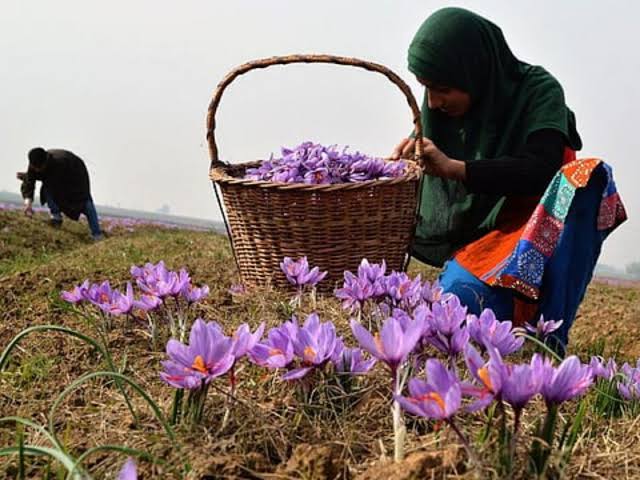
Climate change,changing rainfall patterns & rising temperatures make it necessary to understand how traditional saffron cultivation can adapt without losing its distinctive character.