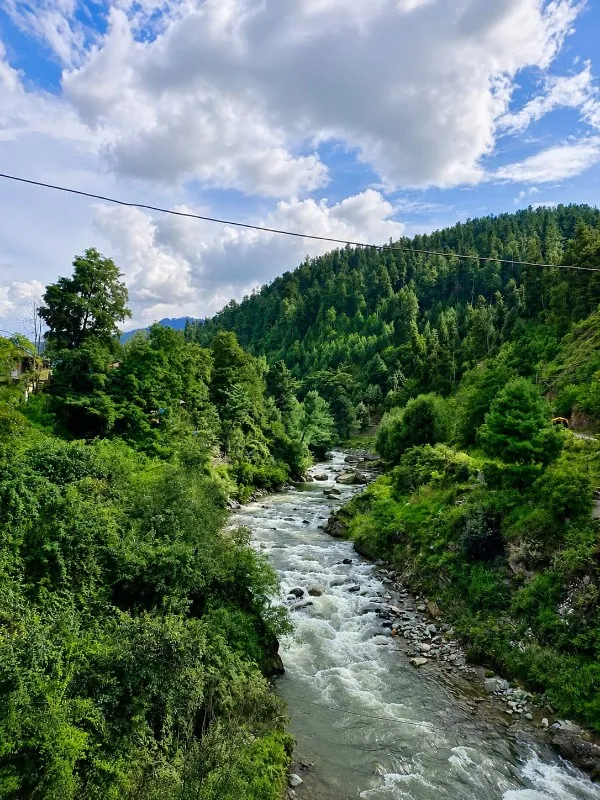
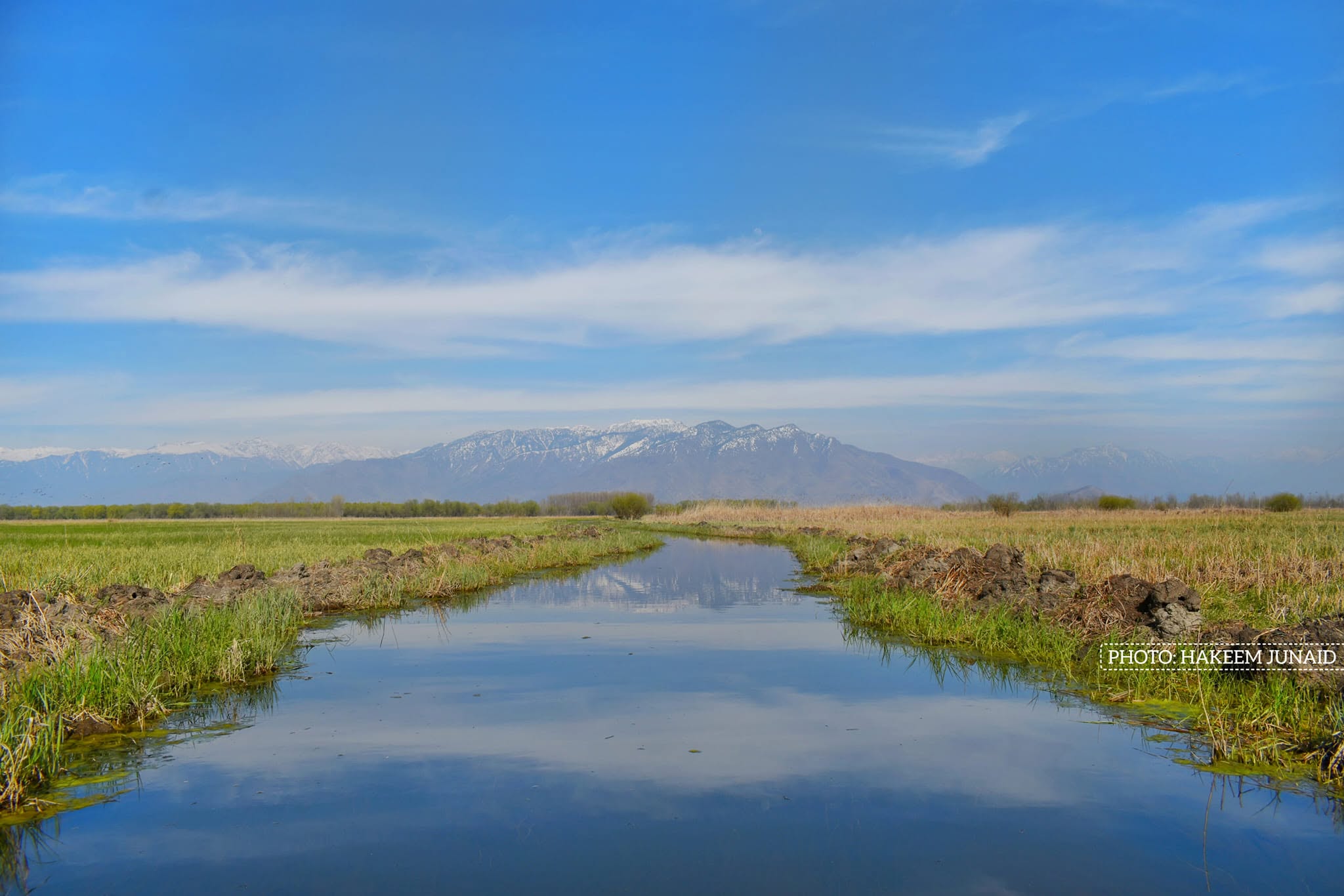
There are places in Kashmir that one visits for their beauty, and then there are places that make one slow down. Gurez belongs to the second category. Tucked away in the northern reaches of Jammu and Kashmir's Bandipora district, Gurez Valley is not merely another addition to Kashmir's tourist map. It is a landscape where mountains, rivers, wooden houses, old routes and a distinctive Dard-Shina culture have remained closely intertwined. Located at roughly 2,400 metres above sea level and around 123 kilometres from Srinagar, Gurez lies beyond the formidable Razdan Pass. The Kishanganga River runs through the valley, while snow-covered mountains rise on either side. The district administration describes Gurez as a remote Himalayan valley surrounded by snow-capped mountains and identifies adventure, natural and scenic tourism among its principal attractions. But Gurez is not simply about mountains. Its real attraction is the combination of landscape and life. The people of the valley belong largely to the Dard community and Shina remains an important language of the region. Traditional wooden houses, farming, pastoral life and local customs give Gurez a character that is noticeably different from the more commercialised tourist centres of Kashmir.
The Journey Begins at Razdan Pass
For most visitors, the Gurez experience begins long before they enter the valley. The road from Bandipora climbs through forests and high meadows towards Tragbal and Razdan Pass.
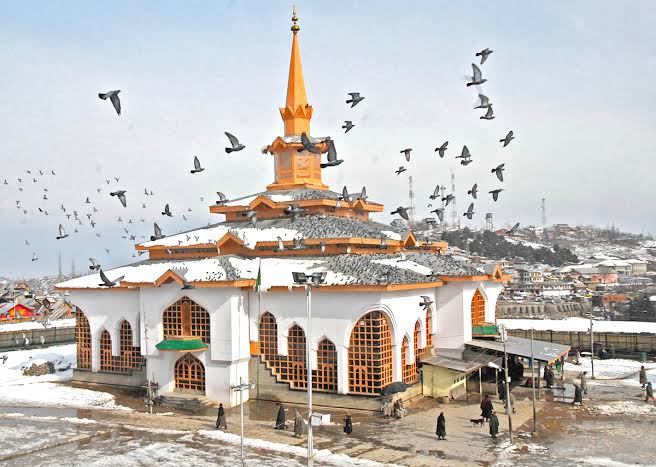
Tragbal is itself worth a pause. The high-altitude meadows, forests and sweeping views make it one of the most attractive stops on the Bandipora-Gurez road. From this region, the landscape gradually changes from the greener Kashmir Valley into the more austere mountain environment of Gurez. Nearby is the Peer Baba shrine, situated between Tragbal and Razdan. It is both a religious and scenic stop, traditionally associated with travellers crossing the mountain route. The shrine has acquired significance for people travelling towards Gurez and offers expansive views over the surrounding mountains and valleys. Then comes Razdan Pass, the dramatic gateway to Gurez. At roughly 3,300 metres, the pass is often covered in snow for a considerable part of the year. On a clear day, the surrounding mountain ranges create a remarkable panorama. The pass is not merely a geographical point; historically, it was one of the reasons Gurez remained relatively isolated from the rest of Kashmir.
Kanzalwan and the First View of Gurez
Descending from Razdan, the landscape opens towards Kanzalwan, one of the first important settlements encountered on the Gurez side. The transition is striking. The forests give way to wider mountain slopes, scattered settlements and the Kishanganga landscape.Historically, the route through Gurez formed part of an important communication and trading corridor connecting Kashmir with areas towards Gilgit and Central Asia. The old character of the valley can still be sensed in its architecture and settlement pattern.
Dawar: The Heart of Gurez
Eventually the road reaches Dawar, the principal settlement and administrative centre of Gurez. For most tourists, Dawar is the natural base from which to explore the valley.Dawar should not be treated simply as a place to spend the night. Its wooden houses, narrow roads, local market and surrounding mountains offer an opportunity to understand everyday life in Gurez. The traditional architecture is one of the valley's most distinctive features, with timber construction reflecting generations of adaptation to heavy snowfall and a harsh mountain climate.A walk around Dawar can sometimes be more rewarding than rushing from one viewpoint to another. The people, houses, fields, livestock and river together form the landscape that visitors have actually come to see.
Habba Khatoon Peak and Spring
No account of Gurez is complete without Habba Khatoon Peak. The distinctive pyramid-shaped mountain dominates the landscape around Dawar and has become one of the visual symbols of Gurez.The mountain is associated with the celebrated Kashmiri poetess Habba Khatoon, and generations of local storytelling have connected her life and memory with the region. The stories surrounding the mountain have given it a cultural importance beyond its physical beauty. At the foot of the mountain lies the Habba Khatoon Spring, near Achoora village. The clear spring is another popular stopping point and has become closely associated with the identity of Gurez.
Kishanganga River: The Valley's Lifeline
The Kishanganga River is perhaps the single feature that ties Gurez together. It flows through the valley, passing villages and agricultural fields before continuing westwards.For visitors, the river offers opportunities for riverside walks, photography, fishing and, in suitable stretches and conditions, adventure activities. The district administration notes that rafting is possible on sections of the Kishanganga, while trout fishing is also associated with the river and its mountain streams. Such activities, however, should always be undertaken according to local regulations and safety instructions. The river is also a reminder that Gurez is not an amusement park created for tourism. It is a living ecosystem and an essential part of local life.
Khandiyal Top
For those looking for a panoramic view, Khandiyal Top has emerged as one of the valley's popular viewpoints. Located above the Dawar area, it provides a broad view of the valley, surrounding settlements, mountains and the Kishanganga landscape.The viewpoint is particularly attractive around sunrise and sunset, when the changing light gives the mountains a completely different appearance.
Tulail Valley: The Road Beyond Dawar
Perhaps the greatest mistake a visitor can make in Gurez is to stop at Dawar.Beyond Dawar lies Tulail Valley, a quieter and more remote extension of the Gurez landscape. The journey follows the Kishanganga through a succession of small villages, meadows and mountain slopes.Villages such as Sheikhpora provide glimpses of traditional Dard-Shina architecture and rural life. The journey itself is as important as the destination. Traditional wooden houses, cultivated fields, streams and grazing grounds appear along the route. Tulail is also known for trout fishing and its high-altitude landscape. The valley has a distinctly different character from Dawar: quieter, narrower and less developed.
Chakwali: The Remote Frontier
At the far end of the Tulail route lies Chakwali, commonly described as the last inhabited Indian village in this direction before the sensitive border zone.Its attraction is not conventional tourism infrastructure. There are no grand hotels or artificial attractions. Its appeal lies in its remoteness, traditional homes, high mountains and the experience of reaching one of the most distant inhabited settlements of the valley. Access to sensitive areas is subject to security restrictions and should always be confirmed locally before travelling.
Badwan, Achoora and the Smaller Villages
Gurez should also be experienced through its smaller settlements. Badwan, Achoora, Korg-Bal, Kanzalwan and other villages offer a closer look at local life than conventional sightseeing sometimes does.Badwan has become particularly associated with camping and riverside tourism. Achoora is important because of the Habba Khatoon Spring. The smaller villages along the Gurez-Tulail road collectively form an important part of the valley's cultural landscape.There are also scenic areas such as Izmarg and Bakhtoor, which have been identified in local tourism accounts for their meadows and mountain scenery. These places are better approached as landscape and excursion destinations rather than highly developed tourist spots.
Gurez Is More Than a Tourist Destination
What makes Gurez special is the fact that tourism has arrived relatively recently compared with Gulmarg, Pahalgam or Sonamarg. For decades, geographical isolation, severe winters and its sensitive border location limited outside access.That isolation helped preserve something increasingly rare: a landscape in which tourism had not completely replaced local life.Today, homestays, camps and hotels are providing new economic opportunities. Tourism can therefore become an important source of income for local families, particularly young people and women. But the same development that creates opportunity can also destroy the qualities that attract visitors in the first place.
The Environmental Question
This is where Gurez's future requires careful thought.The increasing number of visitors has already brought concerns about plastic waste, litter along the Kishanganga and pressure on meadows and campsites. Recent reporting from 2026 has highlighted growing quantities of bottles, food wrappers and other non-biodegradable waste around tourist areas. There are also concerns about unplanned construction. Reports have documented rapid growth in hotels, guesthouses and homestays and warned that conventional concrete development could alter the traditional character and ecological balance of the valley. This does not mean Gurez should remain frozen in time. Local people deserve roads, healthcare, education, employment, better communication and economic opportunities. The question is not whether Gurez should develop; it is how it should develop.Tourism planning must therefore be based on carrying capacity, proper sewage treatment, scientific solid-waste management, restrictions on construction in ecologically sensitive areas and protection of traditional wooden architecture. Visitors, too, have a responsibility: carry back plastic, avoid disturbing streams and meadows, respect local customs, and never treat the mountains as a dumping ground.
The administration has recently begun placing greater emphasis on structured waste management as tourist numbers rise. Gurez has reached an important crossroads. It can become another crowded destination where uncontrolled construction gradually erases the very character that made it famous, or it can demonstrate that tourism and conservation can grow together. The mountains of Gurez have survived centuries of snow, isolation and changing political circumstances. The real challenge now is whether they can survive careless tourism.If development respects the river, the forests, the meadows, the traditional houses and, above all, the people who have called this valley home for generations, Gurez can become more than a tourist destination. It can become a model of responsible mountain tourism in Kashmir.And perhaps that is the best way to experience Gurez: not by simply asking what there is to see, but by asking what there is worth preserving.
The question is not whether Gurez should develop; it is how it should develop.Tourism planning must therefore be based on carrying capacity, proper sewage treatment, scientific solid-waste management, restrictions on construction in ecologically sensitive areas and protection of traditional wooden architecture.
Visitors, too, have a responsibility: carry back plastic, avoid disturbing streams and meadows, respect local customs, and never treat the mountains as a dumping ground.
Traditional wooden houses, farming, pastoral life and local customs give Gurez a character that is noticeably different from the more commercialised tourist centres of Kashmir.
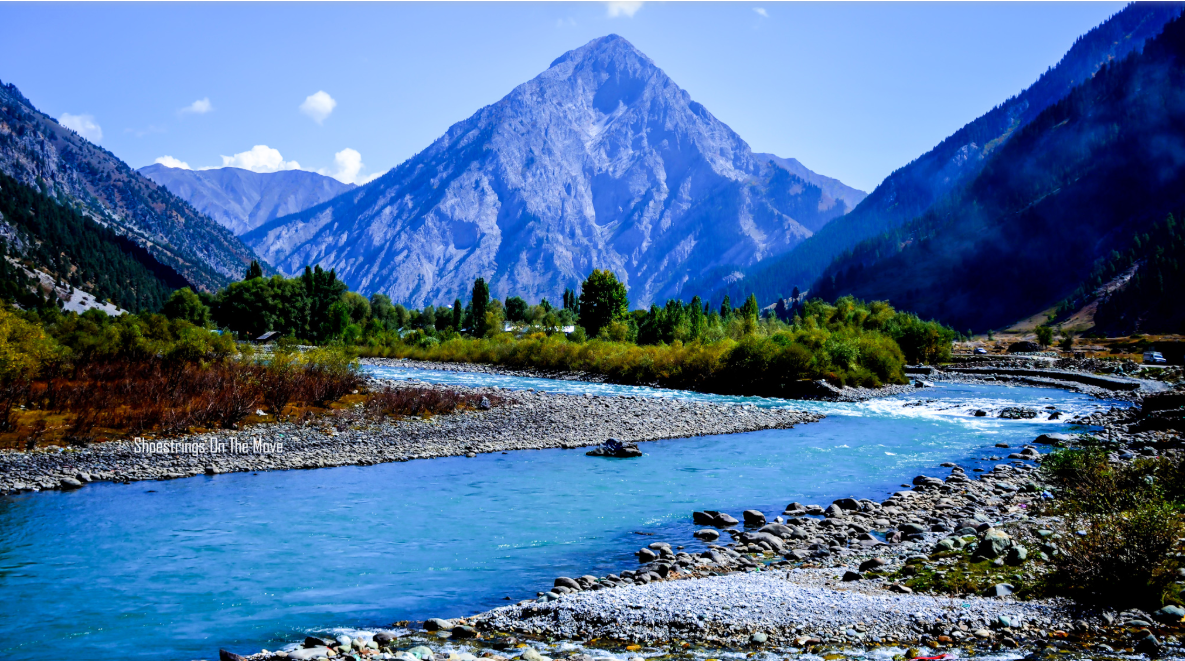
A timeless land where towering mountains guard ancient traditions, rivers echo forgotten stories, and cultures endure like the peaks that have watched centuries pass.