Border Wonders of North Kashmir:
left33718500Must-Visit Destinations Along the Kishanganga River
left3782060
Tahir Majeed
lawtahirmajeed@gmail.com
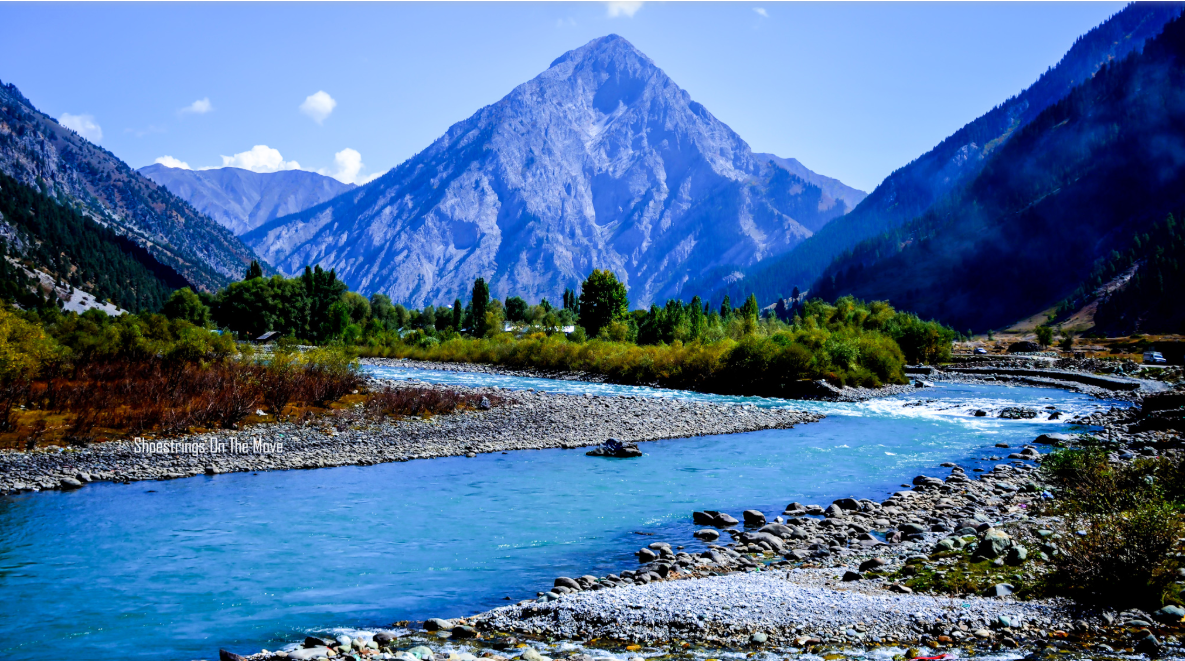
right34512400right2349637Kishanganga, forming LoC at Keran. Pic by the Author
0Kishanganga, forming LoC at Keran. Pic by the Author
Kishanganga River covers an area of 245 kilometres in total length, originating in the Ganderbal district of Jammu and Kashmir near Krishansar Lake and Sonamarg tourism destination. Kishanganga is among the few rivers that offer spectacular sceneries as they flow throughout the valleys and mountains of the region. As such, the river covers a distance of almost 50 kilometres in the Kashmir Valley while the rest of the kilometres fall under the jurisdiction of Pakistan occupied Kashmir territory. As the river starts from Sonamarg, it flows northwards towards Tulail and Gurez valleys and finally ends in Pakistan occupied Kashmir. The river winds its way through beautiful Neelum Valley of POK characterized by green landscape. However, the river enters Pakistan occupied Kashmir in the Baktoor sector of Gurez Valley from Taobat village of Neelum district at Tarabal Village of Kashmir. After crossing over to Pakistan, the river is named Neelum River, which was named so by the Pakistani government in 1956 . Old names of the river have been mentioned in historical accounts, where Kalhana mentions Sindhu as the name of the river, and M.A. Stein refers to the area as Valley of Kishen Ganga. Additionally, the river acts as the Line of Control in some areas of Kupwara district and Bandipora’s Gurez valley especially around Keran, Teetwal, and Bagtoor. Finally, the Kishanganga merges into the Jhelum River at Muzaffarabad, the capital of Pakistan Occupied Kashmir.
The Kishanganga River has a vast network of tributaries that enhance the flow of water into the river and contribute to the formation of valleys traversed by the river. Notable tributaries include Raman Sind, Burzil stream, Machil, Kel Dara, Kankatori also called Samgan, and the Jagran River located in Pakistan Occupied Kashmir. These tributaries enhance the flow and form part of the valleys traversed by the Kishanganga River.
Besides its physical attributes, the Kishanganga River also holds immense religious importance, particularly to Hindus. Krishansar Lake and Sharada Peeth, which are located along the Kishanganga River in Neelum Valley of Pakistan occupied Kashmir, form some of the holy sites around the river. Historically, Hindu pilgrims used to make pilgrimages to these locations on an annual basis for religious reasons. Today, the Sharada Peeth is still held with much reverence by the Kashmiri Pandit community, who consider it one of the most sacred places in their faith. The Sharada script, the traditional script of the Kashmiri language, gets its name from the presiding deity of this shrine. While the Sharada Peeth temple and the historic Sharada University ruins are located in the Neelum Valley just a stone’s throw away from Keran, the confluence of Kishanganga River, Madhumati, and Sargun rivers occurs at Shardi Village. Sharada University used to be one of the best temple universities in the Indian subcontinent between the 6th century CE to the 12th century CE. For many years now, the Kashmiri Pandit community has been campaigning for a Sharada Peeth corridor.
Besides the economic importance of the river, it is also home to a healthy ecosystem, thus becoming one of the most valued freshwater ecosystems in the area. The water is rich in fish species like Brown trout, Rainbow trout, and Snow trout, alongside locally found Shuddgurn and Anyour.The Kishanganga River, being so rich in natural resources and having such high ecological value, is now subject to a number of threats coming from further human activity.
Tulail Valley is one of the most amazing places along the Kishanganga River. This unique place is considered to be one of the most scenic valleys where the Kishanganga flows through.Tulail Valley features amazing mountain views, forests, and alpine scenery. It can be used by tourists as a great escape from the hectic life in the city. This natural paradise will offer a chance to relax and enjoy adventures. Tulail is a sub-valley of Gurez and is situated roughly 120 kilometres northeast of Bandipora and 200 kilometres from Srinagar. The valley can be found right next to the Gurez Valley.
left429895000863602137410Gurez Valley, Pic by the Author
00Gurez Valley, Pic by the Author
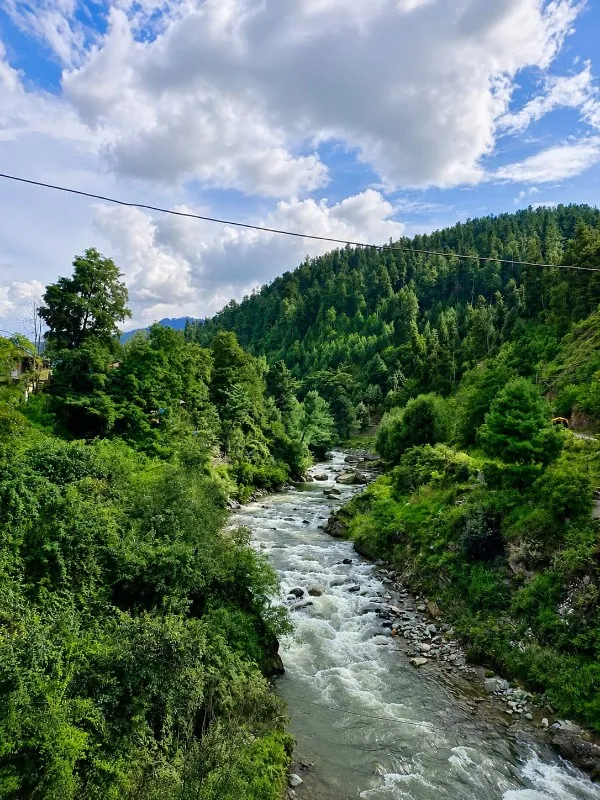
left25008700Gurez Valley is one of the most beautiful valleys that owe their life to the Kishanganga River, which runs through them in its pristine blue form. The river is like the life blood of Gurez Valley, providing support to the inhabitants of the area while also giving chances to enjoy recreational activities. The river is home to many species of fish, attracting anglers from far and wide who indulge in trout fishing in the area. Visitors hire locals to guide them around the river and valley. Adventurous souls are attracted to white water rafting in the river.Gurez is located in the high Himalayas of Kashmir’s northern area, 86 km from the town of Bandipora and 123 km from Srinagar city. Nestled at the height of 8,000 ft from sea level, the valley boasts of magnificent scenery in terms of snow-covered mountains surrounding it. Gurez still has access to the Kashmir Valley via the Razdan Pass, which is famous for its breath-taking beauty. Gurez valley people belong to the ethnic group of Dard Shin, who have many similarities with the communities living in Pakistani-administered Gilgit Baltistan.Gurez valley was once part of ancient Dardistan and held significant importance for being on the Silk Route between Kashmir Valley and Gilgit. This made Gurez very important strategically and commercially through the ages. The village of Kanzalwan is said to be where the final Council of Buddhism took place, giving yet more history to this valley. A little distance away from here in Neelum Valley lies Sharada Peeth, which is the name of a place after goddess Saraswati (who personifies wisdom). Founded in 273 BC, this place became one of the earliest places of learning in India prior to institutions like Takshila and Nalanda.
left6794500-1270The prominent features of Gurez include the impressive Habba Khatoon peak. With its unique pyramidal structure, it is easily noticeable and was named after the famous poetess of Kashmir, Habba Khatoon. Since ancient times, Gurez valley has been famous for its natural beauty and rich culture, and it has drawn many foreign tourists from time to time. Even before the partition of Kashmir, Gurez had witnessed numerous visitors from abroad, among whom Franklin D. Roosevelt visited Gurez before becoming the President of America.
Bagtoor Izmarg is one of the most significant areas in the entire Gurez Valley, where the Kishanganga River flows further towards the Neelum Valley. At this point, the river passes through the Line of Control and gradually changes its name to Neelum. Tarabal is the last village in India, whereas Taobat is the first settlement in Pakistan Occupied Kashmir (POK). The entire Bagtoor area boasts the same captivating natural scenery that characterizes all other parts of Gurez.
6387074Keran’s wooden cottages, constructed in the past using long-lasting traditional techniques, continue to reflect the rich cultural legacy of the valley.These cottages need to be preserved and acknowledged as a heritage site because a number of such houses were abandoned by families who relocated to Pakistan. Despite its proximity to the Line of Control, which separates Kashmir from Pakistan Occupied Kashmir, Keran Valley has recently opened its doors to tourists, offering a unique opportunity to explore a region steeped in history and natural wonders. To reach Keran, visitors have to pass through the Firkiyan Gali, located at an altitude of 9,634 feet. The scenery along the way is breathtaking.Keran Valley is not just a single village but a region that encompasses several villages, including Keran, Mundiyan, and Pathran. On the other side of the Kishanganga River, across the border in Pakistan Occupied Kashmir, lies another village with the same name – Keran. Both villages share the Kishanganga river known as Neelum in Pakistan acting as a natural border between India and Pakistan.
-6353244850Teetwal is a small village located on the banks of the Kishanganga River, near the Line of Control. Historically, the village has a rich past and was situated on the route of the famous Silk Road. The merchants used to stop at this point when they were traveling from Central Asia and China towards other destinations via the route across the Himalayas. The most important element of this community is certainly the well-known crossing bridge of the Teetwal area. The bridge was built in 1931 under the rule of the British empire. The bridge crossed the Kishanganga River, serving to connect two halves of the village. Thus, it could be seen as a symbol of openness and connectivity. However, since 2018, the bridge stopped functioning because of the increased tension between India and Pakistan.The demarcation of the Line of Control takes place via a white stripe on the bridge that runs across the middle. Currently, this bridge has become one of the prominent tourist spots in Teetwal. During special events, soldiers belonging to either side often offer each other sweets, which creates short-lived goodwill among the opposing armies.
00The banks of the Kishanganga are of great tourism significance and offer great opportunities. Many areas where this river flows can be found in the border zone and act as a natural boundary between Kashmir Valley and Pakistan-occupied Kashmir. In previous years, some areas served as infiltration zones for insurgent groups and continue to be under the constant watch of intelligence services to date. Communities residing along the Line of Control and the banks of this river witnessed shelling and other challenges. Fortunately, a ceasefire was agreed upon between India and Pakistan on February 25, 2021. This development allows for further consideration of border tourism initiatives, actively promoted by the Indian army. As can be seen, the Kishanganga River is a unique combination of history, culture, geography, and spirituality. The route of the river through the valleys of Kashmir demonstrates its majestic character. Moreover, the preservation of the river is an absolute necessity for the future. The management and conservation of this river must be done in such a way that the needs of humans and the environment remain in balance.
Tahir Majeed is a policy analyst from Jammu & Kashmir specializing in governance and economic development. He serves as Executive Editor of the North Kashmir Gazette and is associated with the Viksit Bharat Policy & Research Center.He can be reached at: lawtahirmajeed@gmail.com