
Environmental ethics is often discussed as a modern concept born out of climate change, pollution, and ecological degradation. In Kashmir, however, ethical relationships with nature have historically been woven into the social, cultural, and spiritual fabric of society. Long before environmental conservation became a policy concern, Kashmiris regarded water sources, trees, forests, mountains, and wildlife not merely as resources but as entities deserving respect and stewardship.Today, as Kashmir faces shrinking wetlands, declining forests, vanishing springs, and the effects of climate change, revisiting these traditional environmental values offers important lessons for the future.
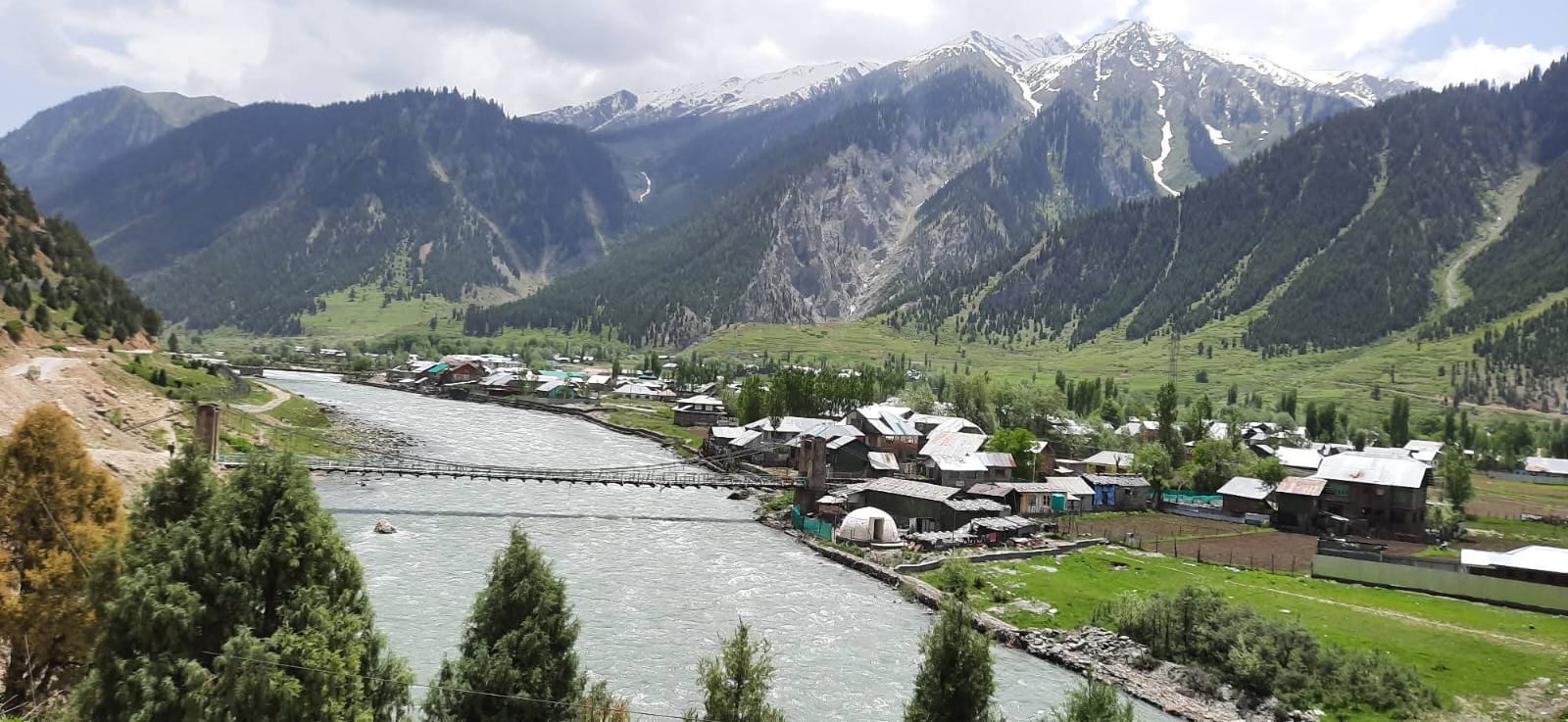
Kashmir's environmental ethics emerge from a unique blend of indigenous traditions, spirituality, agrarian lifestyles, and community-based resource management. Historically, human settlements evolved in harmony with natural systems. Villages were established around springs, streams, and fertile agricultural lands. The availability of water determined settlement patterns, while forests provided timber, fuel, fodder, and medicinal plants under customary norms that discouraged reckless exploitation.One of the strongest examples of environmental ethics in Kashmiri society is the reverence accorded to springs, locally known as nag. Across the Valley, springs have long been regarded as sacred community assets. The protection of these water bodies was not merely a practical necessity but also a moral obligation. Communities regularly cleaned spring channels, prevented contamination, and maintained surrounding vegetation.
The annual tradition associated with Panzath Nag in South Kashmir demonstrates this ethic vividly. For centuries, local residents have collectively cleaned water channels and maintained the spring ecosystem through community participation, reflecting a shared responsibility toward water conservation. The festival combines cultural practices with ecological stewardship, illustrating how environmental protection was embedded in social life rather than imposed through regulation. (The Indian Bugle).Trees occupy a similarly revered position in Kashmiri culture, particularly the Chinar. More than a botanical species, the Chinar represents memory, identity, shelter, and continuity. Historically, Chinars were planted near shrines, village centers, educational institutions, and public gathering spaces. Their massive canopies offered shade to travelers and served as venues for community meetings, dispute resolution, and social interaction.
The cultural attachment to the Chinar reflects a broader environmental ethic that viewed trees as living companions rather than expendable commodities. Unfortunately, urbanization, infrastructure expansion, disease, and changing land-use patterns have contributed to a significant decline in Chinar populations. Conservation initiatives, including geo-tagging and census operations, have been launched to preserve this iconic species, recognizing both its ecological and cultural significance. (The Indian Express) Environmental ethics in Kashmir also found expression through traditional agricultural practices. For generations, farming communities depended directly upon the health of soil, water, and seasonal cycles. Agricultural practices emphasized moderation, crop diversity, and careful management of irrigation resources. Farmers understood that the productivity of land depended on maintaining ecological balance rather than maximizing short-term gains.
This relationship with nature was reinforced through local knowledge systems passed down across generations. Weather patterns, snowfall, flowering cycles, bird migrations, and water availability were carefully observed and interpreted. Such ecological knowledge shaped farming decisions and encouraged sustainable resource use.Forests likewise occupied a special place in the Kashmiri worldview. Beyond their economic value, forests were regarded as sources of life and protection. Mountain forests regulated water flows, prevented erosion, and sustained biodiversity. Traditional communities recognized these functions even if they lacked modern ecological terminology. Excessive exploitation of forests was often discouraged through social norms and collective oversight.
However, environmental ethics are not static. They evolve in response to changing social and economic realities. During recent decades, Kashmir has witnessed rapid urban expansion, population growth, changing consumption patterns, and increasing pressure on natural resources. These developments have weakened some of the traditional mechanisms that once regulated environmental behavior. Perhaps nowhere is this more visible than in Kashmir's wetlands. Wetlands such as Hokersar Wetland and Wular Lake have historically supported fisheries, agriculture, water purification, biodiversity, and climate regulation. Yet scientific studies indicate that these ecosystems have suffered from encroachment, pollution, land-use changes, urbanization, and altered hydrological regimes. (Frontiers)Recent assessments paint an even more concerning picture. Hundreds of natural lakes across Kashmir have either disappeared or significantly shrunk over the past several decades due to encroachments, pollution, climate change, and unplanned development. These changes threaten not only biodiversity but also livelihoods and cultural practices associated with these water bodies. (AP News)
The degradation of natural resources raises an important ethical question: has society's relationship with nature shifted from stewardship to exploitation? Many environmental scholars argue that ecological crises are not merely technical problems but ethical failures. Laws and regulations can only achieve limited success if communities no longer view environmental protection as a shared moral responsibility. In Kashmir, this challenge is particularly relevant because traditional environmental ethics once provided a strong foundation for conservation.Yet there are reasons for optimism. Across the Valley, citizen groups, environmental activists, researchers, students, and local communities are increasingly engaged in ecological restoration efforts. The revival of degraded wetlands, plantation drives, spring rejuvenation programs, and campaigns to protect Chinar trees indicate a growing recognition that environmental conservation is inseparable from cultural preservation. The recent restoration efforts in Wular Lake, which have contributed to the return of lotus growth after decades of decline, demonstrate how ecological recovery can reconnect communities with their heritage and livelihoods. (The Guardian)
The future of environmental ethics in Kashmir will depend largely on whether traditional values can be meaningfully integrated with contemporary environmental science. Reverence for springs must translate into water conservation. Respect for the Chinar must inspire urban greening. Traditional community cooperation must support modern conservation initiatives. Educational institutions, religious leaders, civil society organizations, and policymakers all have important roles to play in strengthening environmental awareness.
Ultimately, environmental ethics in Kashmiri society are not merely about protecting trees, lakes, or forests. They are about preserving a worldview that recognizes the interconnectedness of human well-being and ecological health. Kashmir's history demonstrates that environmental stewardship is most effective when it emerges not only from laws and policies but also from culture, values, and collective responsibility.As climate change and ecological degradation present unprecedented challenges, the revival of these ethical traditions may prove as important as any technological or regulatory solution. The environmental future of Kashmir will depend not only on how its natural resources are managed but also on how society chooses to redefine its moral relationship with nature itself.
Laws and regulations can only achieve limited success if communities no longer view environmental protection as a shared moral responsibility. In Kashmir, this challenge is particularly relevant because traditional environmental ethics once provided a strong foundation for conservation.