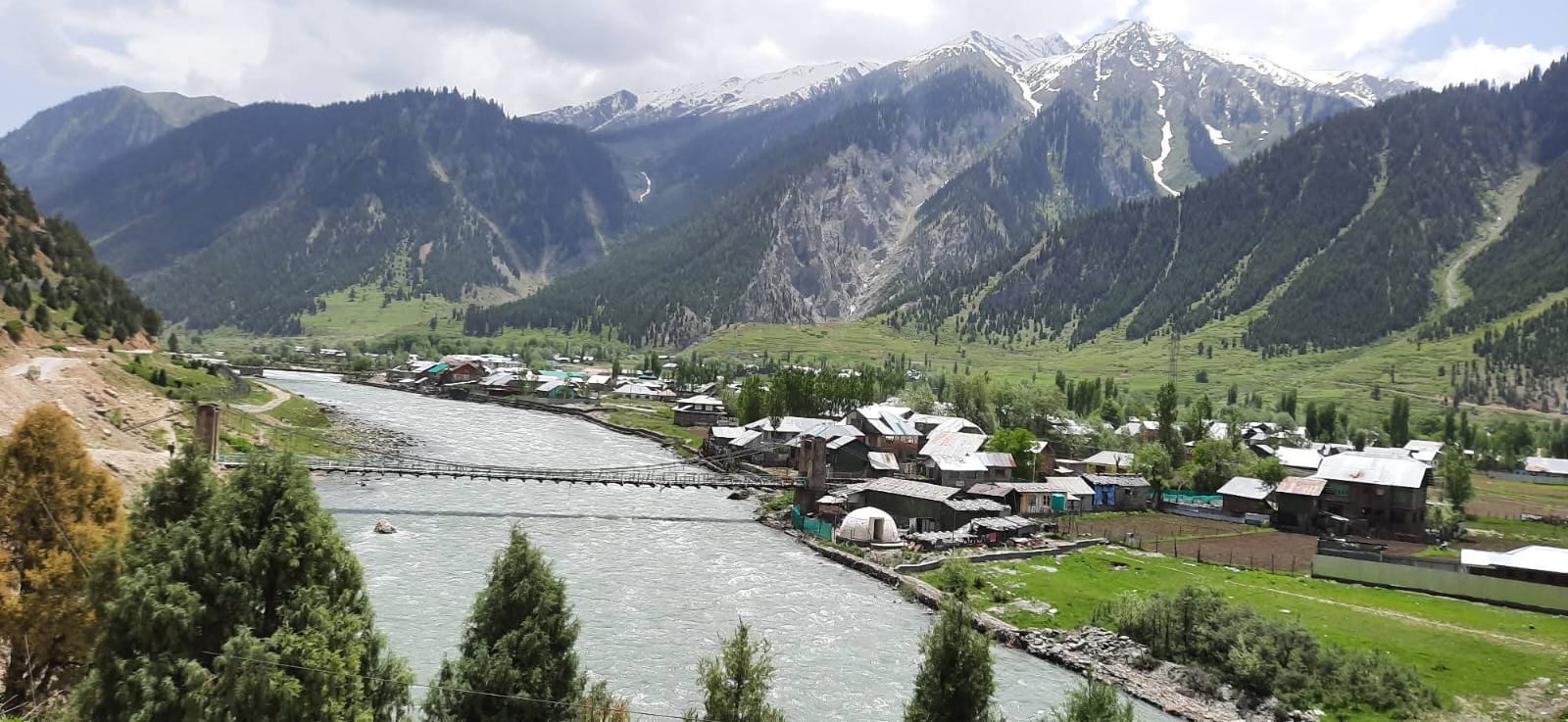
Undoubtedly, Kashmir has long occupied a unique place in world’s tourism landscape. Snow-covered mountains, pristine alpine lakes, dense forests, vast meadows, centuries-old gardens, and a rich cultural heritage have made Kashmir Valley one of the most sought-after destinations. Tourism sector has sustained thousands of families of the valley for generations, providing livelihoods to various sections of the society like hotel owners, houseboat operators, shikara rowers, taxi drivers, pony handlers, artisans, guides, photographers, shopkeepers & other businessmen. In valley’s rural areas, it remains one of the few reliable sources of income outside agriculture. The revival of tourism in recent years has brought renewed economic optimism across the valley. Improved road connectivity, better air access, growing domestic travel,extensive promotional campaigns and social media users have attracted unprecedented numbers of visitors to the valley.While this growth has strengthened the local economy & benefitted the people , it has also highlighted an equally important reality which we need to accept: tourism can only remain a long-term economic asset if it develops within the ecological limits. We should understand that sustainable tourism is not about reducing tourism rather it is about ensuring that economic development does not come at the cost of natural resources, local culture, or the quality of life. In an ecologically fragile Himalayan landscape such as the valley, sustainability is no longer an optional policy objective but an essential need for protecting both livelihoods and the environment.
Kashmir’s natural beauty is its greatest economic resource as destinations such as Gulmarg, Pahalgam, Sonamarg, Doodhpathri, Yusmarg, Gurez, Bangus,Keran, Karnah, Machil, Lolab, Aharbal & other places continue to attract visitors because they offer landscapes that remain relatively unspoiled. However, increasing visitor’s pressure has placed considerable strain on these spots. During peak seasons, traffic congestion, solid waste accumulation, pressure on water resources, and overcrowding have become visible concerns in several popular tourist locations. Locals of the valley in huge numbers too use to visit the environmentally sensitive areas. Earlier research on tourism carrying capacity in Kashmir has warned that excessive concentration of visitors at a few areas increases environmental degradation and reduces visitor satisfaction, making scientific management of tourist flows increasingly necessary.The discussion on regulating visitor numbers has gradually entered public policy as well. Recently Chief Minister Omar Abdullah acknowledged that while tourism is vital for the economy, the government may eventually need to regulate tourist inflows at certain destinations to preserve the ecological balance and maintain a high-quality visitor experience.
Conservation lies at the heart of sustainable tourism. Kashmir's forests, glaciers, rivers and alpine ecosystems are highly sensitive to human activity. Improper disposal of plastic waste, unplanned construction and excessive vehicular movement can gradually damage these fragile ecosystems. Climate change has already increased concerns with regard to shrinking glaciers, changing snowfall patterns, and pressure on water resources across the Himalayan region. Equally important is the conservation of Kashmir's wonderful cultural. It is important that tourism should never reduce local traditions into commercial attractions. The Valley possesses a rich legacy of handicrafts, Sufi traditions, traditional architecture, cuisine, folk music and hospitality that distinguish it from other destinations and due to this people from other parts of the country are attracted towards the valley. Sustainable tourism encourages visitors to engage respectfully with local communities while creating economic opportunities for artisans, craftsmen and cultural practitioners. Therefore, the preservation of heritage sites and traditional lifestyles strengthens both cultural identity and tourism appeal.
One of the most promising approaches is community-based tourism, hence Instead of concentrating tourism benefits within a few urban centres, community participation enables rural people to become direct stakeholders in tourism sector. Homestays, village-guided experiences, nature walks, local cuisine, handicraft markets and agricultural tourism provide visitors with authentic experiences while creating supplementary income for rural families of the valley. Community-led tourism initiatives can simultaneously strengthen livelihoods,conserve biodiversity and support the United Nations Sustainable Development Goals by integrating environmental protection with local economic development. Community-driven ecotourism provides a practical model for balancing conservation with economic opportunities in fragile Himalayan regions like ours. Diversification of tourism destinations is another important aspect of sustainability and in our valley the process of diversification has started which is encouraging. For this we must appreciate the Government of India’s efforts. At present, a significant share of tourist arrivals remains concentrated in a handful of destinations and this concentration creates seasonal overcrowding while many equally beautiful areas remain less explored. Responsible development of destinations like Gurez, Bangus Valley, Keran,Karnah valley, Machil, Lolab, Bungus, Tosamaidan and other rural landscapes can distribute tourist traffic more evenly and generate employment across different rural areas without placing excessive pressure on existing tourist destinations.. Such expansion are required to be guided by environmental impact assessments, proper infrastructure planning and local consultation. Important to note that infrastructure development should also follow sustainable principles. Roads, sanitation facilities, waste management systems, parking infrastructure and public transport are necessary to support tourism growth, but their design must minimise ecological damage of the valley.Any kind of development in environmentally sensitive zones of the valley should comply with scientific planning norms. As suggested by experts, investments in renewable energy, rainwater harvesting, wastewater treatment, efficient waste segregation and other measures can substantially reduce tourism's environmental footprint.
Responsible tourism also depends upon our behaviour. Respect for customs, avoidance of littering, responsible trekking, conservation of water resources and protection of wildlife is our responsibility. Awareness campaigns, which are important, can encourage visitors to the valley not merely as a holiday destination but as a fragile ecosystem that requires collective stewardship. Local tourism operators likewise play a crucial role by promoting ethical business practices, transparent pricing and environmentally responsible services. Digital visitor management systems, online permits for ecologically sensitive destinations, GPS-based tourist information, real-time crowd monitoring and scientific data collection can assist authorities in regulating visitor flows while improving the tourist experience. Better coordination between tourism, forest, wildlife, rural development and government departments can further strengthen long-term planning. Another emerging priority is the conservation of iconic Chinar trees, wetlands and biodiversity. Recent conservation initiatives, including geo-tagging of Chinar trees for scientific monitoring, demonstrate that technology can surely support environmental preservation alongside development and such efforts reinforce the broader principle that tourism and conservation should complement one another rather than compete.
The future of tourism will not be determined solely by the number of visitors it receives rather it will depend on whether the Valley succeeds in protecting the landscapes, biodiversity and cultural traditions that make it unique due to which people across the country visit it. As rightly believed by the experts that economic growth achieved through environmental degradation is inherently unsustainable. Conversely, tourism that safeguards nature, preserves cultural heritage and distributes benefits equitably creates lasting prosperity. Therefore sustainable tourism is not simply an environmental agenda but it is an economic necessity and a social responsibility too. Preserving the balance is the surest way to ensure that future generations inherit a Valley that remains as beautiful, welcoming and prosperous as the one admired by visitors today.
(Author Tahir Majeed, previously a lawyer by profession, actively engages in public policy, research, and discourse on border tourism in the Kashmir Valley).