The Centre for Public Interest (CPI), an independent and non-partisan public policy think tank, expresses concern over the reported incident involving an IAS officer and a JKAS officer in Jammu and Kashmir. CPI calls upon the Government of India and the Jammu and Kashmir administration to ensure a thorough, impartial and evidence-based examination of the matter, followed by exemplary action in accordance with the law and applicable service rules, wherever misconduct is established.
The significance of the incident extends beyond the conduct of the individuals concerned. In Jammu and Kashmir, the episode has attracted wider public attention, with people from different walks of life expressing concern over the dignity of local administrative officers, institutional equality and the nature of administrative relationships. This public response merits serious consideration by the authorities.
CPI observes that incidents of this nature, particularly when perceived as reflecting a colonial or hierarchical approach towards Jammu and Kashmir, can reinforce existing grievances and contribute to narratives portraying the policies of New Delhi towards the region as unequal or dismissive. Such perceptions may not, by themselves, establish the facts of an individual case; nevertheless, their potential implications for public trust, institutional credibility and national integration cannot be overlooked.
The administration must therefore address the matter with both legal impartiality and an understanding of its wider social and political context. Any inquiry should establish the facts objectively, protect the rights of all concerned and ensure accountability without regard to rank or cadre. Where wrongdoing is substantiated, the response should be proportionate, credible and sufficiently firm to reinforce confidence in the fairness of public institutions.
CPI further considers it necessary to undertake a broader institutional assessment of concerns regarding the professional dignity, autonomy and perceived disempowerment of Jammu and Kashmir Administrative Service (JKAS) officers. Effective governance requires clearly defined responsibilities, mutual respect between administrative cadres, accessible grievance-redressal mechanisms and a professional environment in which every officer can discharge duties without fear of arbitrary or discriminatory treatment.
The Centre for Public Interest urges the Government of India to examine not only the immediate circumstances of the incident but also the institutional conditions that may contribute to similar confrontations. Appropriate preventive measures, clear protocols for inter-cadre conduct and effective mechanisms for resolving workplace grievances should be considered to prevent recurrence.
Public servants, irrespective of their seniority or cadre, are entrusted with responsibilities that require restraint, impartiality and respect for institutional norms. Their conduct should strengthen public confidence in governance and contribute to nation-building rather than create avoidable controversies that undermine the credibility of the institutions they represent.
CPI emphasizes that accountability and institutional reform are complementary responsibilities. A fair and decisive response, grounded in evidence and due process, would demonstrate that administrative authority is accompanied by responsibility and that the dignity of every public servant is protected under common standards of conduct.
The Centre for Public Interest calls for an impartial inquiry, exemplary action wherever warranted, and meaningful institutional safeguards to ensure that administrative fairness, professional dignity and public trust remain central to governance in Jammu and Kashmir.
The Government of India and the Jammu and Kashmir administration should undertake a structured review of inter-cadre working arrangements, including professional autonomy, reporting relationships, workplace conduct and the mechanisms available to JKAS officers to seek redress against alleged misconduct or arbitrary treatment.
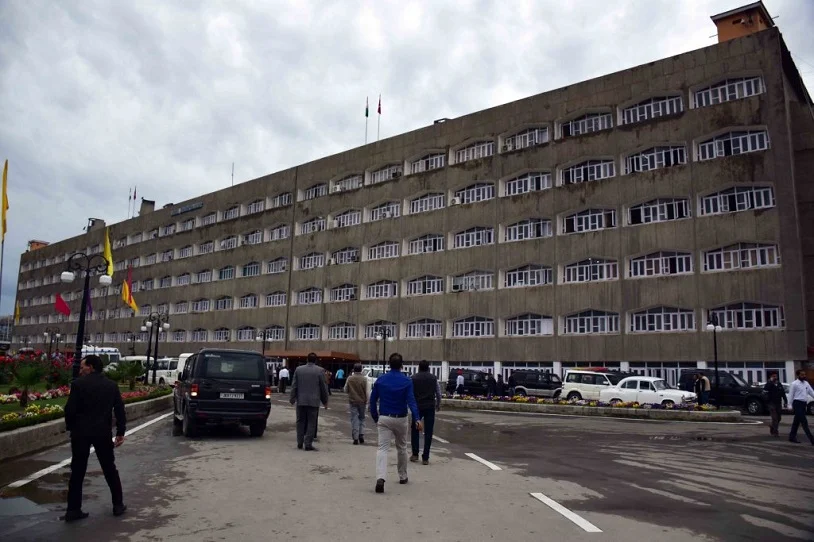
CPI observes that perceived colonial or hierarchical attitudes can deepen grievances and reinforce perceptions of unequal treatment of J&K by New Delhi.